
Estimated reading time: 7 minutes
Keeping a rental property safe is fundamental to protecting tenants, maintaining the property, and meeting a landlord's legal obligations.
In Ontario, landlords are responsible for maintaining rental properties in a good state of repair, fit for habitation, and in compliance with applicable health, safety, housing, and maintenance standards.
Toronto landlords may also be subject to additional municipal requirements, including the City's RentSafeTO: Apartment Building Standards program for qualifying apartment buildings.
This guide covers common rental-property safety risks, landlord and tenant responsibilities, and the current RentSafeTO requirements Toronto property owners should understand.
Why Rental Property Safety Matters
Safety and maintenance are closely connected.
Problems such as deteriorating stairs, electrical deficiencies, water leaks, malfunctioning alarms, pests, blocked exits, or poorly maintained building systems can create risks for tenants while also allowing relatively small maintenance issues to become significantly more expensive.
Ontario's Residential Tenancies Act requires landlords to maintain the residential complex and rental units in a good state of repair and fit for habitation, and to comply with applicable health, safety, housing, and maintenance standards.
A consistent property maintenance program can help owners identify deficiencies before they become emergencies or compliance issues.
Common Safety Hazards in Rental Properties
Safety risks vary depending on the age, design, condition, and type of property, but several categories deserve regular attention.
Fire and Carbon Monoxide Hazards
Working smoke and carbon monoxide alarms are among the most important safety systems in a rental property.
Landlords are responsible for ensuring that required alarms are installed, maintained, and tested in accordance with Ontario's Fire Code.
Smoke alarms in rental units must be tested annually and after every change in tenancy. Applicable carbon monoxide alarms must also be tested annually, after a change in tenancy, after a battery replacement, and after certain changes to the electrical circuit.
Effective January 1, 2026, Ontario also expanded carbon monoxide alarm requirements, including requirements for alarms on every storey in applicable homes and additional circumstances involving fuel-burning equipment.
Tenants should notify the landlord if an alarm is disconnected or not operating and must not remove batteries or tamper with required alarms.
Structural Hazards
Structural and physical hazards can include:
- Deteriorating stairs.
- Loose or missing handrails.
- Unsafe balconies or guards.
- Damaged floors or walking surfaces.
- Water-damaged walls or ceilings.
- Loose building materials.
- Conditions that create trip or fall hazards.
Regular inspections can help identify these problems before they lead to injuries or larger rental property repairs .
Electrical Hazards
Rental properties can also develop electrical risks through damaged wiring, overloaded circuits, improper modifications, defective fixtures, or aging equipment.
Electrical work that requires a licensed electrical contractor should not be treated as a routine DIY repair.
Moisture, Mould and Indoor Air Quality
Water leaks, inadequate ventilation, persistent condensation, and delayed repairs can contribute to mould and other indoor-air-quality concerns.
Tenants should report leaks and moisture problems promptly, while landlords should investigate the underlying cause rather than simply covering visible damage.
Pests and Common-Area Hazards
Multi-unit properties also require attention to pests, garbage areas, common corridors, lighting, entrances, parking facilities, and other shared spaces.
Building safety depends on both the individual rental units and the areas residents use to enter, exit, and move through the property.
Landlord and Tenant Responsibilities
Landlord Responsibilities
Landlords are generally responsible for maintaining the rental property and completing necessary repairs even if a tenant knew about a deficiency before moving in.
Depending on the property, this can include:
- Maintaining plumbing, heating, electrical, and building systems.
- Maintaining landlord-supplied appliances.
- Addressing leaks, structural deficiencies, and safety hazards.
- Maintaining required smoke and carbon monoxide alarms.
- Maintaining common areas where applicable.
- Complying with applicable municipal property standards.
- Responding appropriately to maintenance and safety complaints.
Tenant Responsibilities
Tenants also have responsibilities that contribute to a safe rental environment.
These include maintaining ordinary cleanliness, reporting maintenance and safety concerns, avoiding damage, and not tampering with required safety equipment.
Prompt reporting is particularly important when an issue could worsen if left unresolved, such as a water leak, electrical problem, malfunctioning alarm, or loss of a vital service.
What Is RentSafeTO?
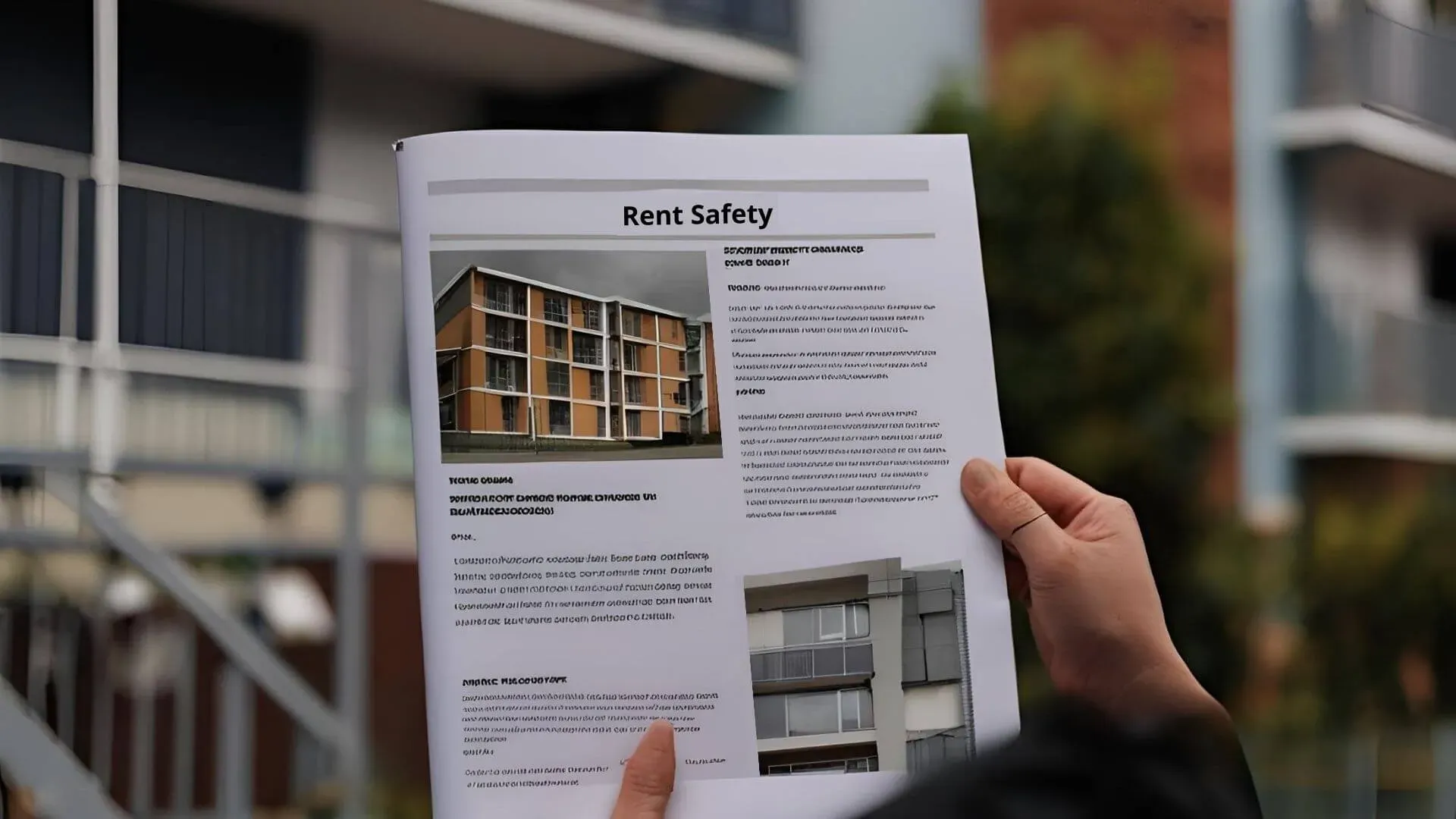
RentSafeTO: Apartment Building Standards is the City of Toronto's enforcement program for qualifying rental apartment buildings.
The program applies to apartment buildings with three or more storeys and 10 or more units.
Condominium buildings, townhouses, and units located within private homes, such as basement or main-floor apartments, are not part of the RentSafeTO program.
RentSafeTO Requirements for Building Owners
Building owners and operators participating in RentSafeTO have responsibilities beyond ordinary repair obligations.
Current requirements include:
- Registering the building with the City and renewing the registration annually.
- Maintaining a process for tracking and responding to tenant service requests.
- Conducting regular inspections of common areas for cleanliness and pests.
- Maintaining required plans for cleaning, maintenance, waste management, and vital-service disruptions.
- Maintaining and posting required information on the Tenant Notification Board.
- Participating in City building evaluations and audits where applicable.
- Complying with the Property Standards Bylaw and other applicable requirements.
Building Evaluations
Registered RentSafeTO buildings are subject to routine City evaluations.
Evaluation results are publicly available and can be viewed through the City's interactive building map.
The evaluation process considers building conditions, maintenance requirements, mandatory plans, and active violations. Lower-performing buildings may be prioritized for more comprehensive audits.
Colour-Coded Building Signs
Beginning June 15, 2026, RentSafeTO buildings are assigned a green, yellow, or red colour rating based on their most recent building score.
Building owners and operators must display the applicable sign near the main entrance and update it when the building's rating changes.
Owners must also provide information about the building's colour rating to existing and prospective tenants as required by the program.
Indoor Cooling Requirements
Starting June 1, 2026, RentSafeTO apartment buildings that do not provide air conditioning but have an indoor amenity space are generally required to maintain that space at or below 26°C between June 1 and September 30, subject to the City's requirements and applicable exceptions.
Service Requests and Complaints
RentSafeTO building owners are required to maintain a process for receiving and responding to tenant service requests.
Where a problem is not resolved, tenants can contact 311 and the City may investigate property-standard concerns.
RentSafeTO Resources
Rather than relying on downloaded copies that can become outdated, building owners and tenants should use the City's current RentSafeTO resource pages.
- RentSafeTO resources for building owners
- RentSafeTO resources for tenants
- Building evaluations, audits and scores
Rental Safety Requires Ongoing Maintenance
Compliance is easier when safety and maintenance are treated as ongoing property-management responsibilities rather than issues addressed only after a tenant complains or an inspector attends the property.
Routine inspections, clear maintenance records, prompt repairs, and documented testing of required safety equipment can help owners maintain safer rental properties and identify problems earlier.
Frequently Asked Questions
Which buildings must register with RentSafeTO?
Rental apartment buildings in Toronto with three or more storeys and 10 or more units are required to participate in the RentSafeTO program and renew their registration annually.
Are condominium buildings part of RentSafeTO?
No. Condominium buildings, townhouses, and rental units located within private homes are not part of the RentSafeTO program.
What are building owners required to do under RentSafeTO?
Requirements include registration and annual renewal, service-request tracking, regular common-area inspections, required building plans and notices, participation in evaluations, and compliance with applicable City bylaws.
Can tenants see a building's RentSafeTO score?
Yes. The City publishes building evaluation information through its interactive RentSafeTO map. Buildings are also now assigned colour-coded ratings that must be displayed as required by the program.
How often are RentSafeTO buildings evaluated?
The City currently subjects registered buildings to building evaluations on a two-year cycle. Buildings with lower scores or significant violations can receive additional scrutiny or audits.
What should a tenant do if a safety or maintenance issue is not resolved?
The tenant should first report the issue to the landlord or building operator and keep a record of the request. If the problem remains unresolved, tenants in Toronto can contact 311 regarding applicable property-standard or RentSafeTO concerns.
Who is responsible for smoke and carbon monoxide alarms in a rental property?
The landlord is responsible for installing and maintaining required alarms and completing required testing. Tenants must not tamper with alarms and should notify the landlord if they become aware that an alarm is not operating.
Need help with your property?
Tell us what you are considering and our team will help determine the right next step.
Thank you.
Your enquiry has been sent. A member of our team will be in touch shortly.