Multi-Unit Development
Infill Multiplexes
Duplex, triplex, fourplex and other small-scale residential development projects requiring coordinated feasibility, design, approvals and construction.
Explore Multiplex Design-Build
Residential Design-Build · Toronto & GTA
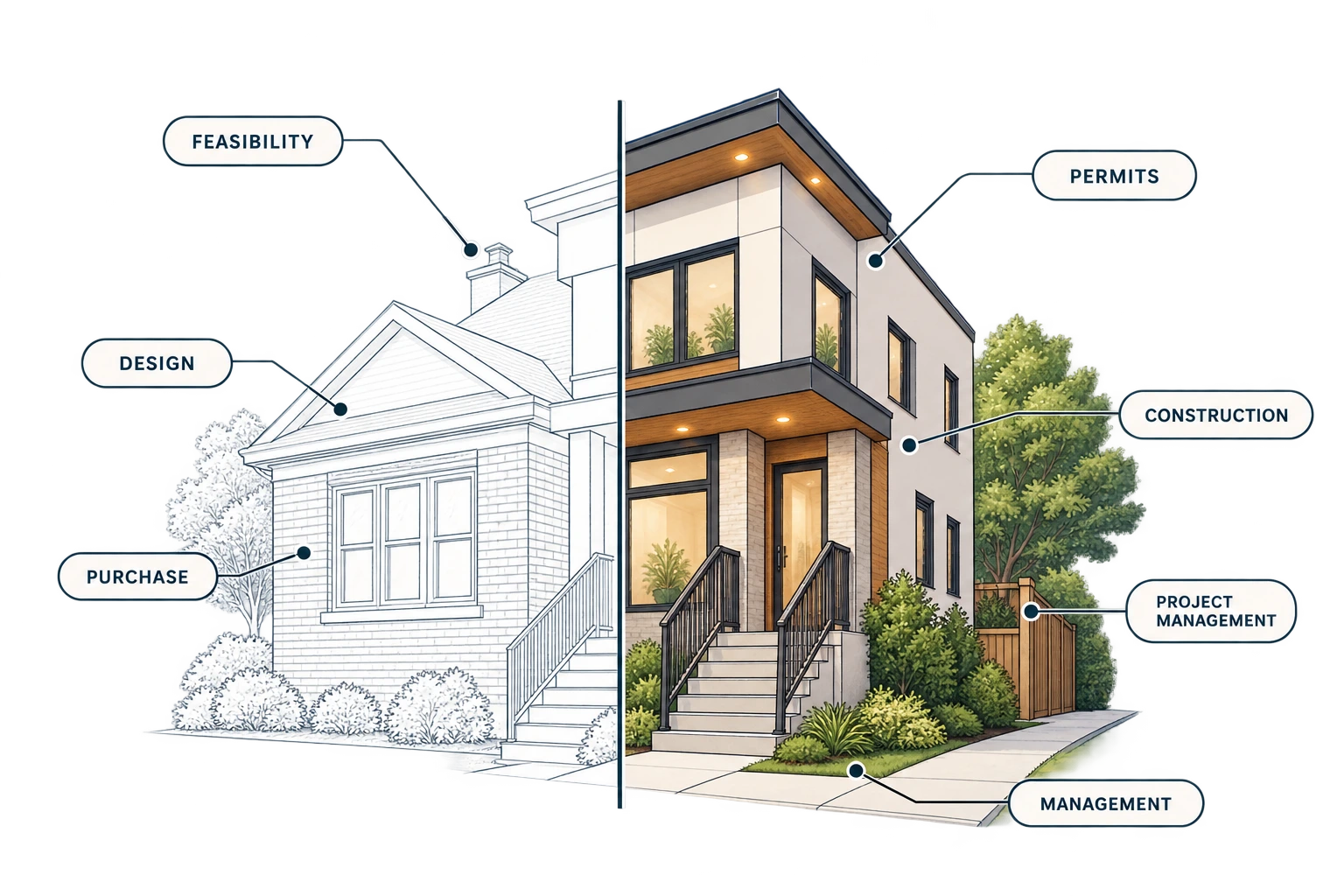
LandLord coordinates feasibility, design, engineering, permits, construction and project management through one connected team—so you are not left carrying questions between consultants or wondering who owns the next step.
Residential Development & Unit Creation
From adding one legal residential unit to redeveloping a Toronto property into a multi-unit asset, the right path starts before construction—with feasibility, coordinated design and a build strategy tied to the property goal.
Multi-Unit Development
Duplex, triplex, fourplex and other small-scale residential development projects requiring coordinated feasibility, design, approvals and construction.
Explore Multiplex Design-BuildDetached Additional Units
Site review, design coordination, servicing considerations, permits and construction for detached additional residential space.
Discuss a Garden or Laneway SuiteWithin the Existing Building
Create a legal additional unit by reworking space that already exists inside the current building envelope—such as a basement, lower level or underused floor area—while coordinating code, fire separation, egress, servicing and permits.
Discuss an Interior ConversionNew Building Area
Projects that create new floor area beyond the existing building envelope—such as rear, side or upper-storey additions—requiring structural design, architectural coordination, approvals and construction to move together.
Discuss an Addition or ExpansionFull Coordination = Accountability
Architect. Engineer. Permit comments. Contractor. Trades. Inspections. Changes. Someone has to keep those decisions connected.
When professionals work in separate silos, owners can become the messenger—chasing answers, relaying changes and trying to work out who is responsible when design, budget or site conditions collide. Design-Build is meant to remove that gap.
You know where questions go and who is responsible for coordinating the answer.
Design, engineering, permit requirements and construction planning are coordinated around the same project objective.
Constructability, sequencing and cost implications can be considered while decisions are still being developed—not only after drawings are complete.
When municipal comments, site conditions or owner decisions affect the plan, the project team coordinates the impact instead of sending you between disconnected providers.
Start Before the Drawings
You do not need a finished design—or even a property already purchased—to begin. We can help test an existing asset, shape a project around a budget, or evaluate acquisition opportunities before you commit to the real estate.
Already Own the Property
Property + Idea
If you already own the property and know what you want to create, we can assess the existing building or site, preliminary zoning considerations, consultant requirements, build complexity and the path toward a permit-ready scope.
Property + Budget
If the project is not defined yet, we can compare conversion, unit-creation, addition or redevelopment paths against the property conditions, ownership goal and available project budget.
Need to Acquire the Property
Idea + No Property Yet
If you know the type of project you want to create—such as a multiplex or conversion—but have not acquired the site, LandLord can connect acquisition and feasibility so potential properties are screened against the development objective before you buy.
Budget + No Property Yet
When you have capital but no property or fixed concept, LandLord Realty and Design-Build can help evaluate older or underutilized acquisition opportunities, the conversion or redevelopment potential, and the combined purchase-and-project economics.
For acquisition-led projects, the goal is to consider the real estate and the development plan together—rather than buying first and discovering the constraints afterward.
One Connected Delivery Path
The exact sequence depends on project type and municipal requirements. What should stay consistent is ownership of the process: the team coordinating each stage should also understand what came before it and what needs to happen next.
Assess
Property conditions, development objective, lot or building constraints, preliminary zoning considerations, access, servicing and budget context.
Define
Unit strategy, layouts, development priorities and early construction considerations are shaped into a workable direction.
Coordinate
Architectural and required engineering disciplines are coordinated so the design can move toward a buildable, permit-ready package.
Approve
Applications, supporting documentation, responses to comments and required approval steps are managed as part of the project workflow.
Build
Trades, procurement, scheduling, site supervision, owner decisions and construction-stage coordination move through one project team.
Complete & Transition
Required inspection stages, close-out items and occupancy preparation are coordinated so the completed property is ready to move into leasing, property management or owner use.
Approval requirements and timelines vary by property and municipality. No design-build team can guarantee municipal approval; the value is identifying requirements early and managing them as one coordinated project.
For Income-Producing Projects
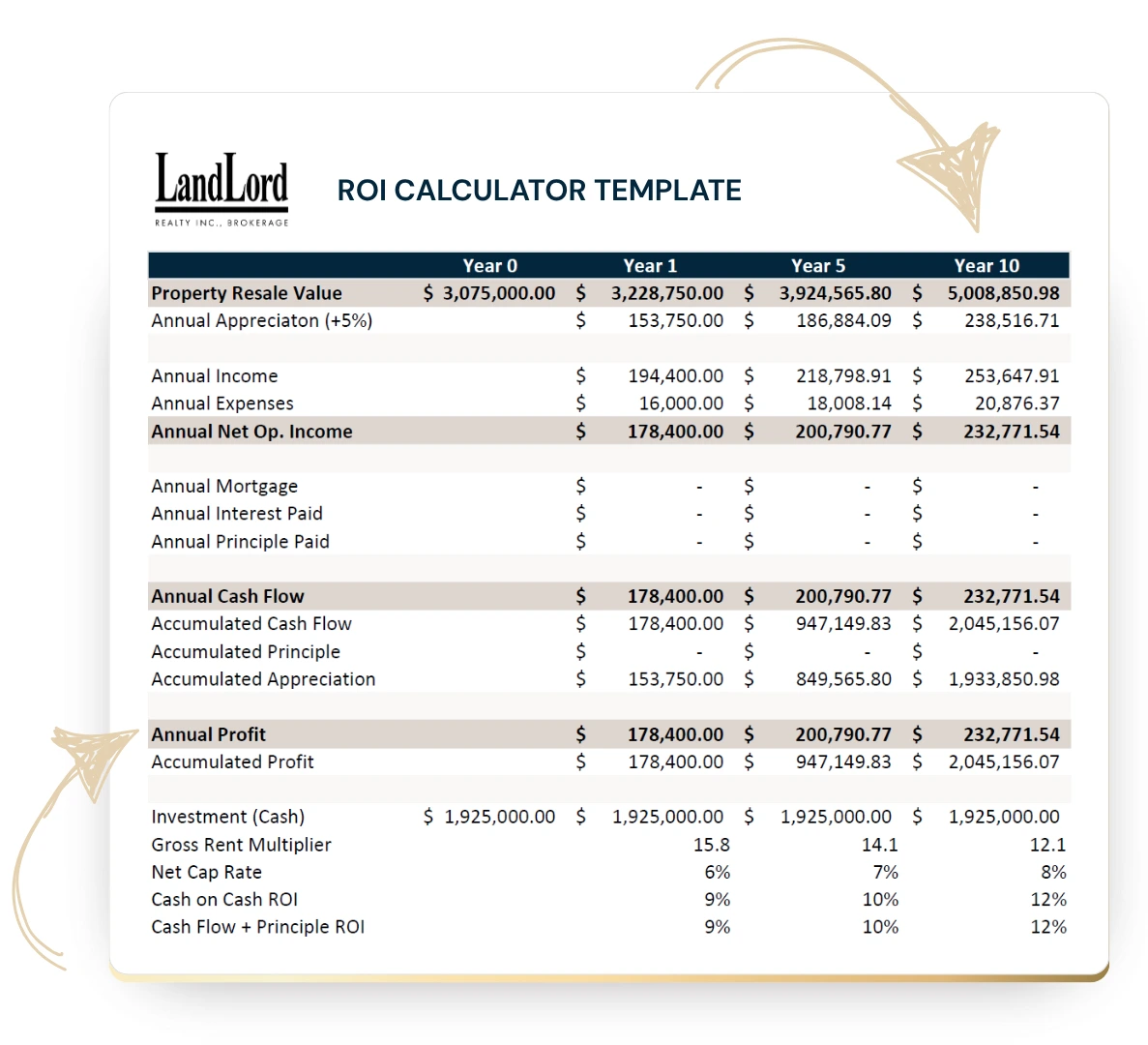
For purpose-built rental and multi-unit projects, feasibility is not only a construction question. We can layer rental and operating assumptions into the planning stage so the development decision is tied to how the completed property is expected to perform.
Why Design-Build With LandLord
Many firms can coordinate a build. LandLord’s advantage is that development decisions can be connected to the realities that come after the keys are handed over—leasing, tenant demand, maintenance and long-term property operations.
Layouts, storage, laundry, materials, building systems and shared spaces can affect both construction cost and how the property functions after occupancy.
For rental developments, positioning, target tenant and expected rent can be considered before the units are ready to hit the market.
If you want LandLord to lease and manage the completed property, the project does not need to restart with a team learning the asset from zero.
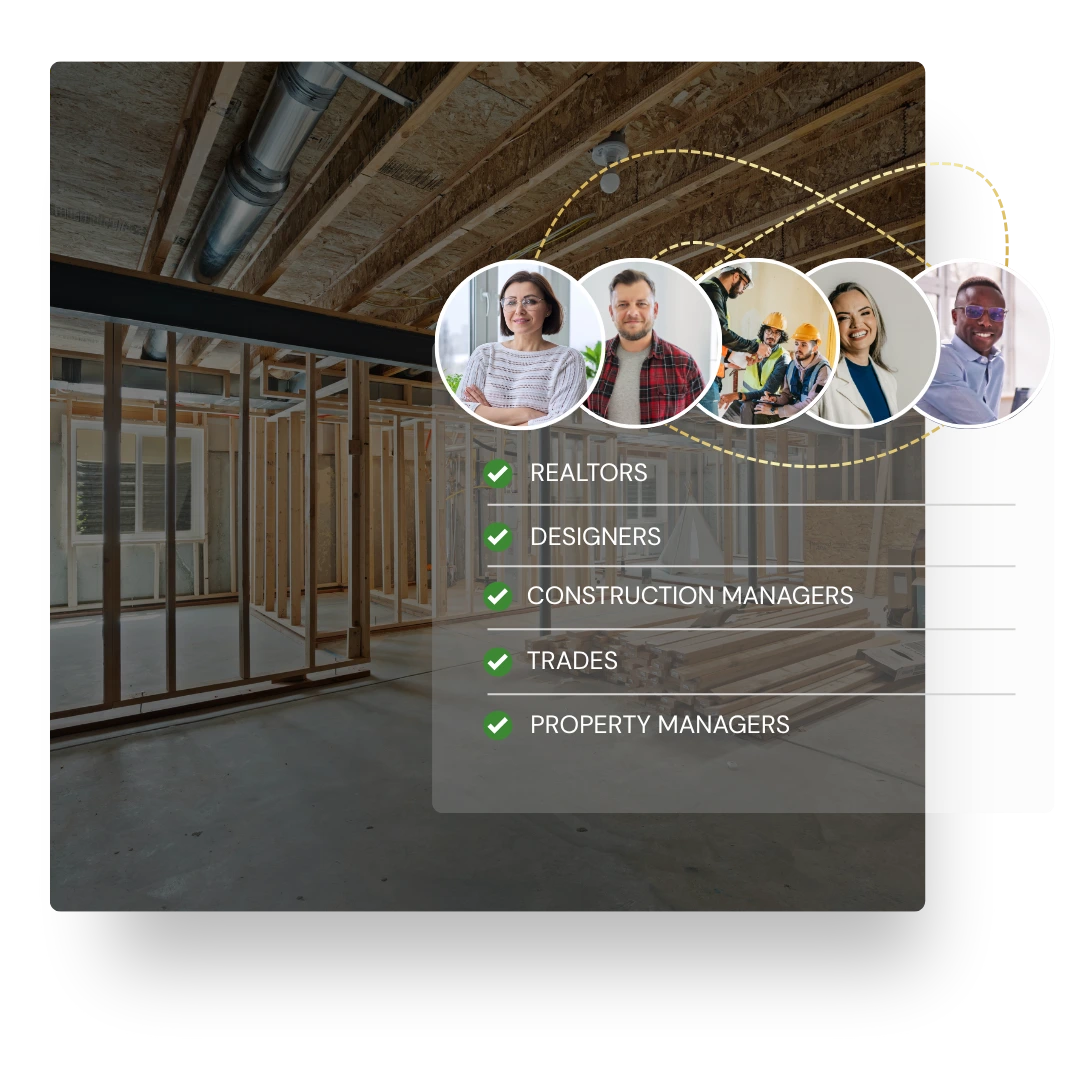
Licensed architects and engineers, WSIB-verified trades and project coordination backed by LandLord’s current construction standards and insurance requirements.
Toronto Design-Build Experience
A few examples from LandLord’s current Design-Build project experience. Project economics vary by property, site conditions, financing and market conditions.
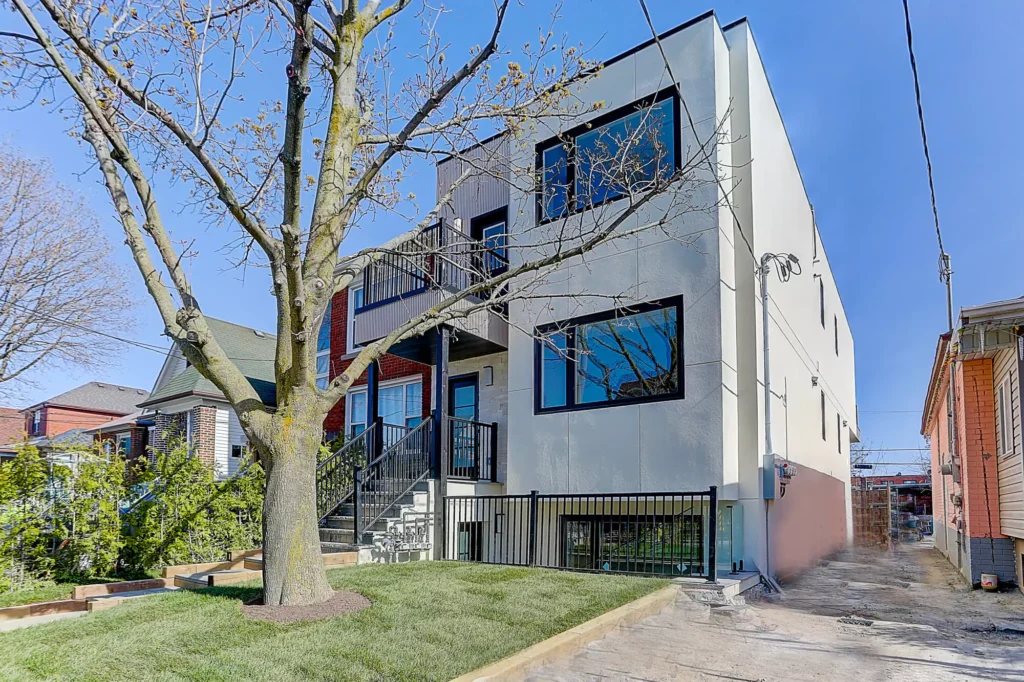
Infill Fourplex Conversion · West Toronto
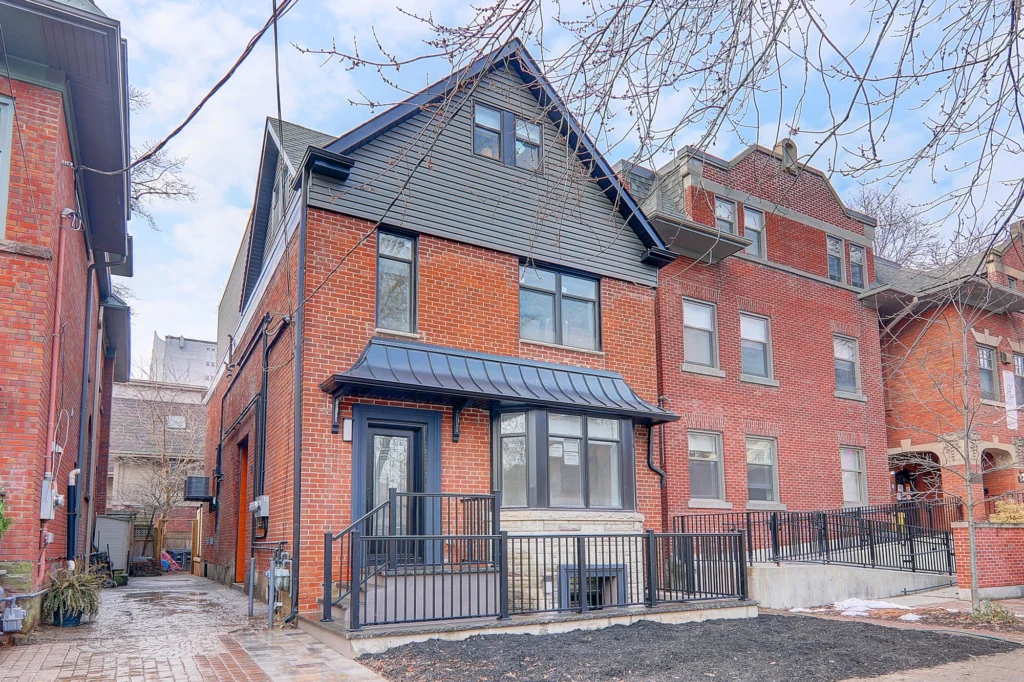
Full House Reconfiguration · Triplex
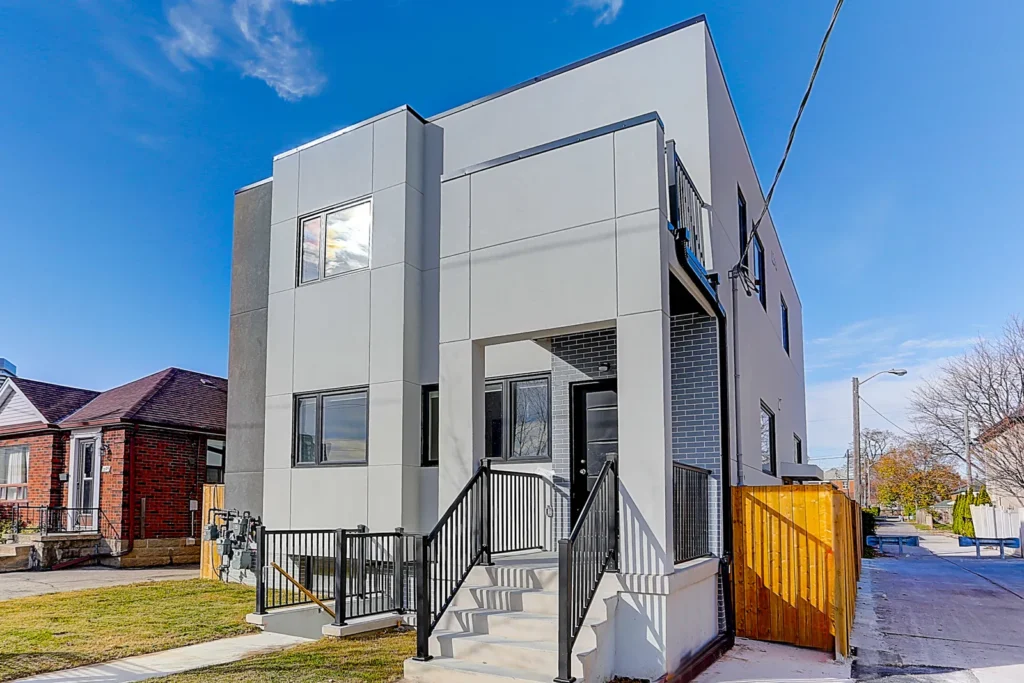
Ground-Up Fourplex Redevelopment · York
Design-Build FAQs
Feasibility, consultant coordination, approvals, budget and construction sequencing are easier to address early than after a design has already been committed.
Ask About Your PropertyDesign-Build is an integrated project-delivery approach that coordinates feasibility, design, approvals and construction through one connected team. Instead of the owner independently managing separate designers, consultants and contractors, the project is organized around a shared scope, budget, schedule and development objective.
In a traditional design-bid-build process, the owner may need to coordinate communication among the architect, engineers, contractor and other consultants when questions or changes arise. Design-Build brings construction planning into the project earlier so constructability, sequencing and budget implications can be addressed while the design is developing.
The Design-Build team coordinates the professionals and submissions required for the agreed project. Depending on scope, that can include architects, designers, structural or mechanical engineers, surveyors, planners and other specialists, as well as permit applications, responses to municipal comments and required inspection stages.
Projects can include duplex, triplex and fourplex conversions, purpose-built infill multiplexes, basement or secondary suites, laneway and garden suites, additions, major reconfigurations and selected mixed-use or commercial projects. Smaller cosmetic work is generally better suited to LandLord Renovations.
The review looks at the property, existing building or lot conditions, development objective, target unit count where relevant, preliminary zoning considerations, access, servicing, project budget and intended rental or ownership strategy. The goal is to identify the information and risks that should be understood before detailed design.
For income-producing projects, the planning stage can include rental assumptions and longer-term financial modeling so design and construction decisions are considered alongside expected rents, operating costs, financing context and ownership strategy. Projections are decision tools, not guarantees of future performance.
Timing depends on project type, design complexity, municipal approvals, consultant requirements, site conditions, procurement and construction scope. After feasibility and preliminary design, the team can establish a more useful project schedule with separate allowances for approvals, construction, inspections and occupancy preparation.
Yes. LandLord can support rental positioning, marketing, tenant placement, lease-up and ongoing property management after construction. This continuity also allows operating considerations to be discussed earlier in the design process.
We review the property location, existing use, proposed project, ownership goals, budget expectations and desired timing. The next step may be a discovery call, document review, site assessment or preliminary feasibility discussion before detailed design or construction is committed.
Start With Feasibility
Tell us the property, what you are considering and where you are in the process. We can help identify the right next step—site review, feasibility, design coordination or project planning.
Design-Build
Tell us about the property and the service you are considering.